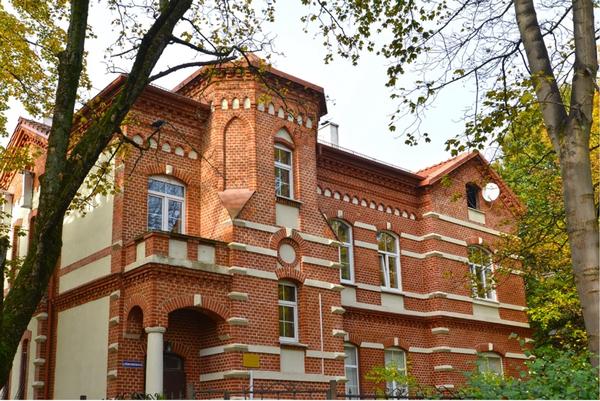
Brick Design Trends 2026
Brick Design Trends 2026: A Broader Look at What’s Shaping the Industry
Brick design is being influenced by a combination of market preferences, architectural direction, and new style narratives emerging from manufacturers and design leaders. Across industry feedback and recent trend publications, a more detailed picture is forming, one that expands on the shift toward warmth, contrast, texture, and versatility.
The Expanding Color Spectrum: From Dark Drama to Soft Neutrals
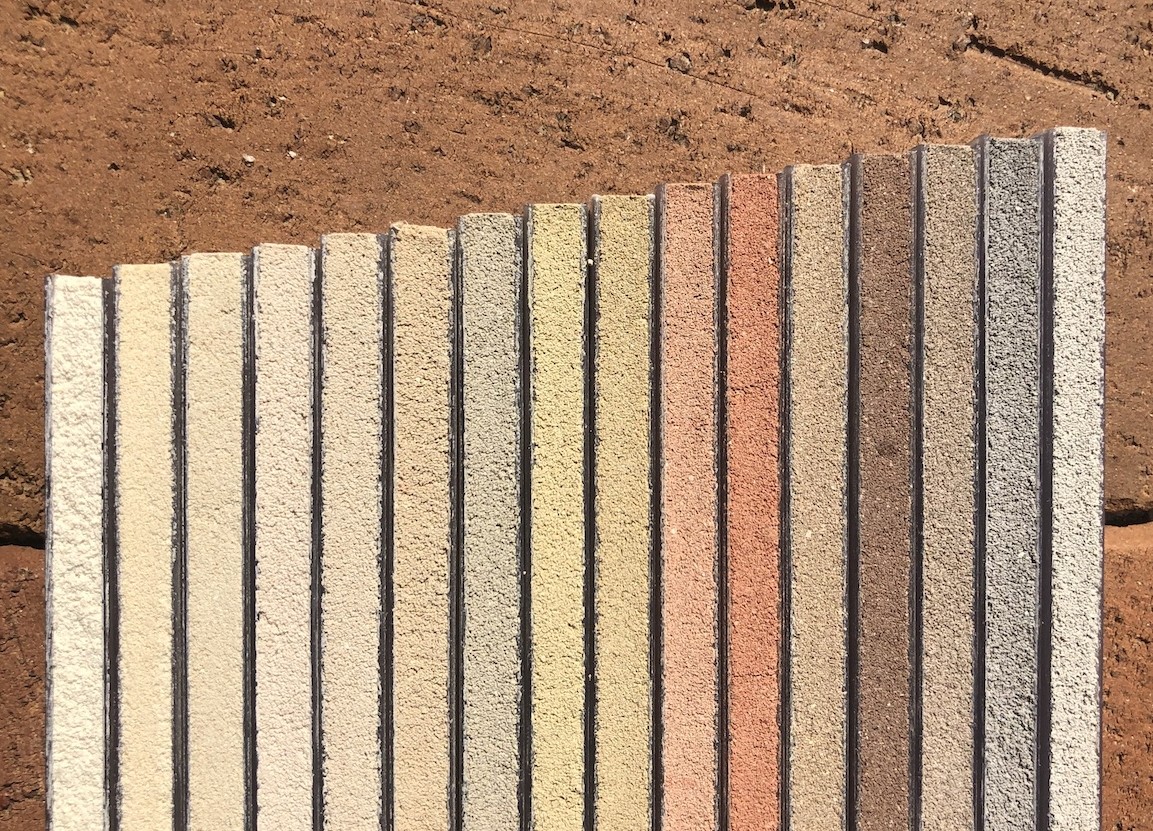
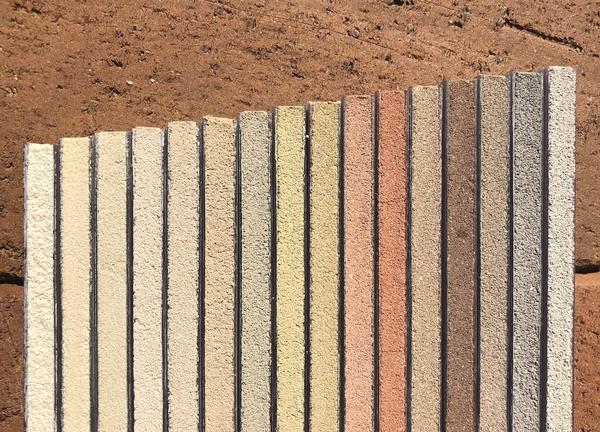
Color direction in 2026 is notably more diverse than in previous years, moving away from a single dominant palette and toward layered expression.
Key color movements include:
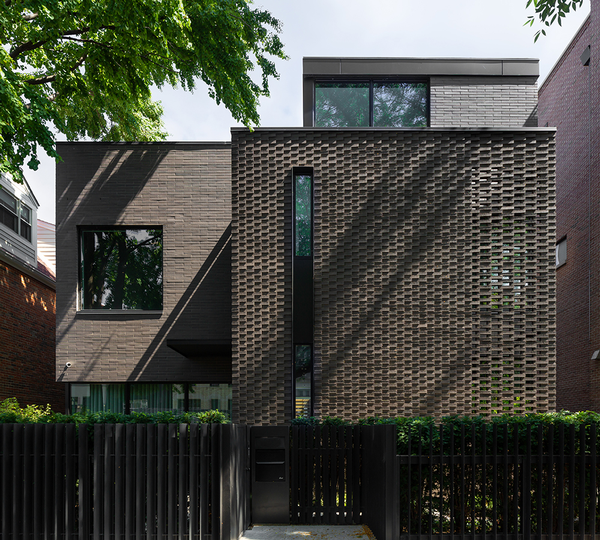
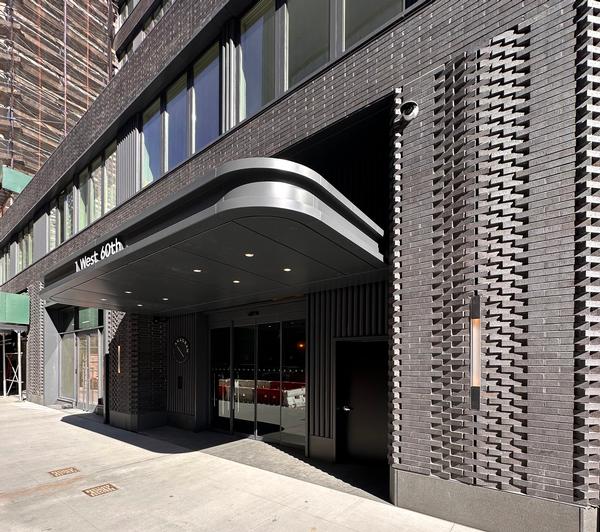
- Deep, dramatic tones such as black, charcoal, and near-black finishes gaining momentum for high-contrast modern façades
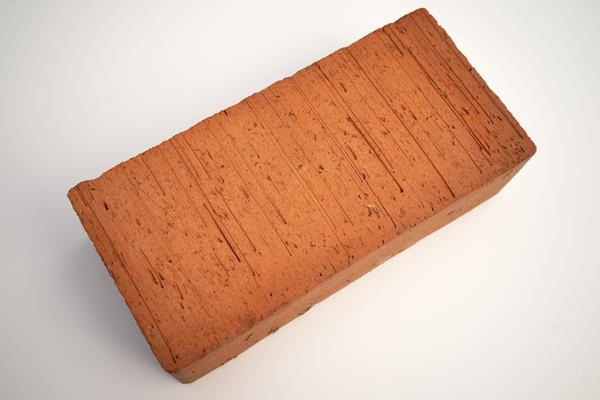
- Continued strength in warm earth tones, including browns, tans, and clay-inspired reds
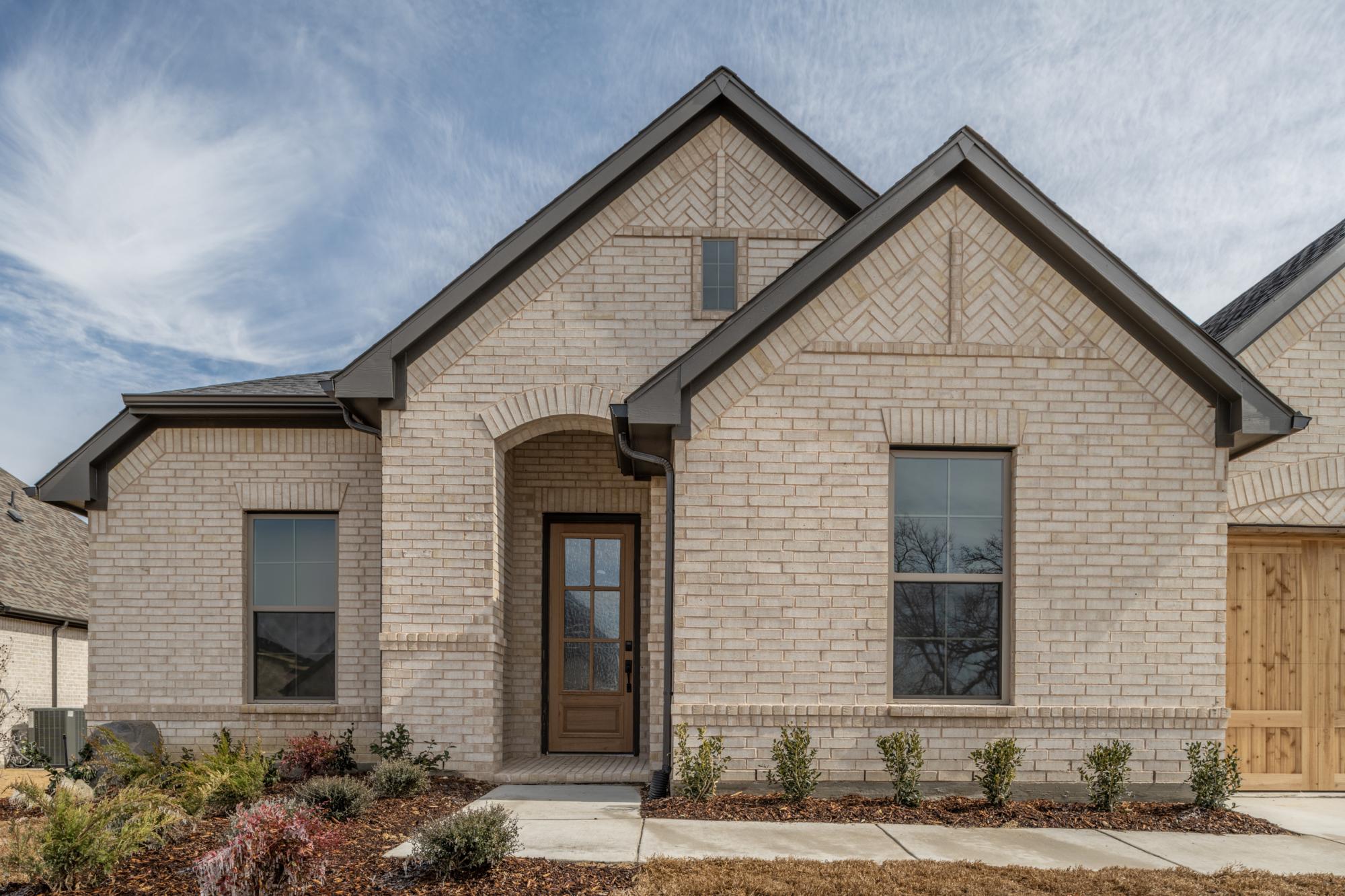
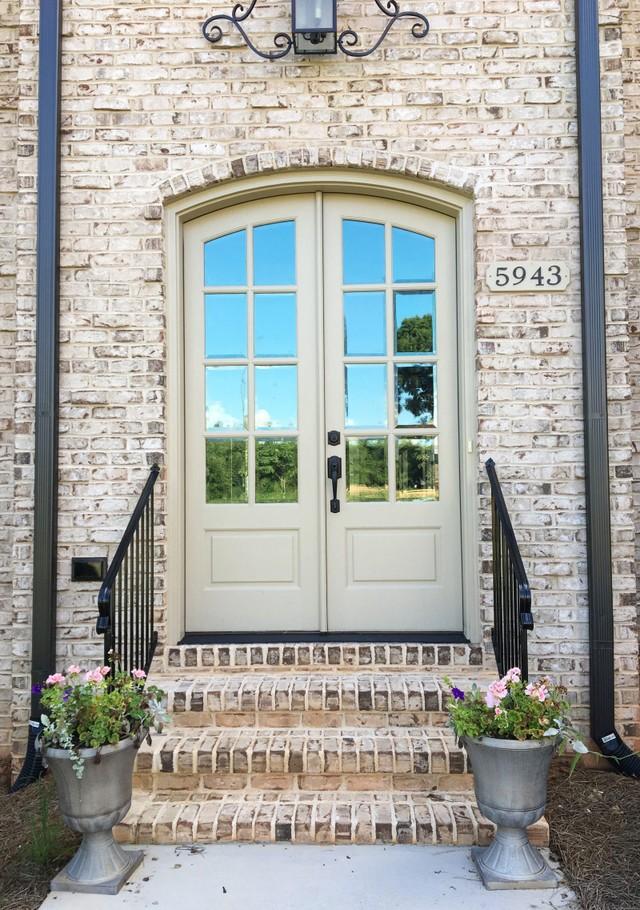
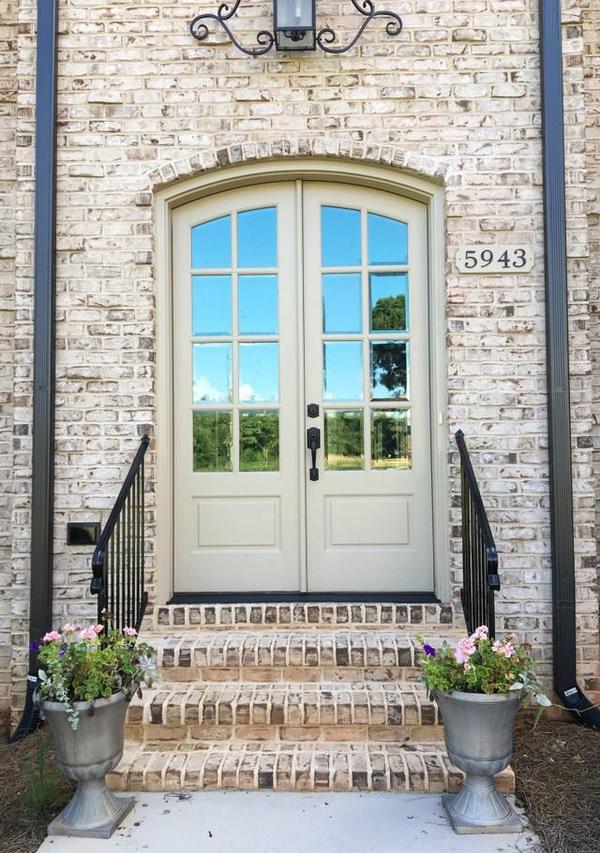
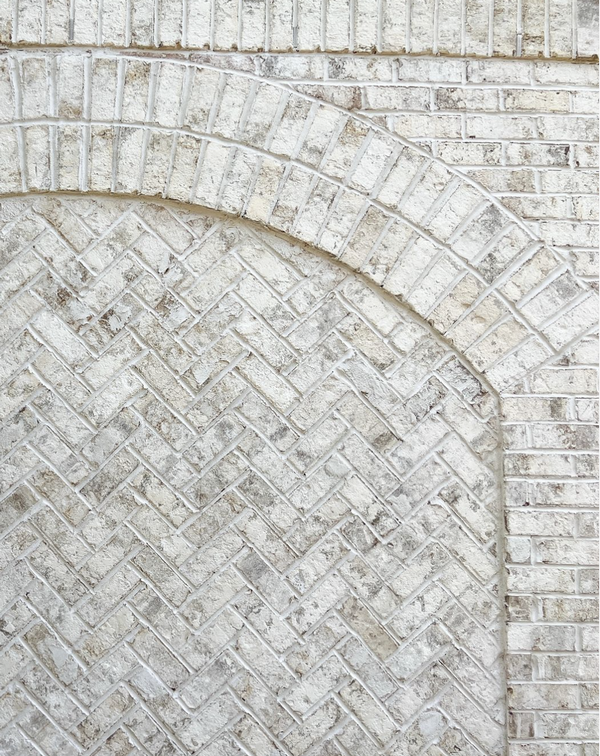
- Persistent demand for white, cream, and soft neutral brick, especially in transitional and contemporary residential design
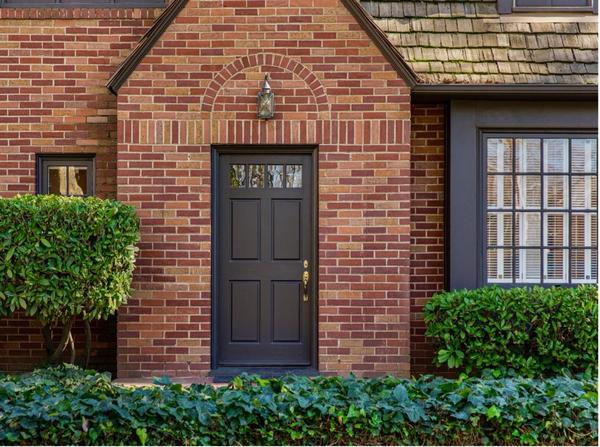
- A gradual return of traditional red brick, reinterpreted in more refined or blended applications
- Across multiple industry perspectives, the key takeaway is balance: designers are pairing dark, bold tones with softer neutrals to create contrast and depth rather than uniformity.
Style Direction: Quiet Luxury Meets Rustic Refinement
A major narrative emerging in 2026 is the blending of restraint and texture often described as a “quiet luxury” or rustic-refined aesthetic.
This includes:
- Clean, modern forms paired with natural, imperfect materials
- Subtle elegance rather than overly decorative design
- Rustic textures elevated through modern detailing
- A growing preference for timeless palettes over trend-heavy finishes
- This duality—refined yet organic—is becoming one of the most defining design characteristics of brick applications moving forward
Texture and Finish: Authenticity Over Perfection
Texture continues to be one of the most important differentiators in brick selection.
Key trends include:
- Increased demand for tumbled, textured, and reclaimed-style brick
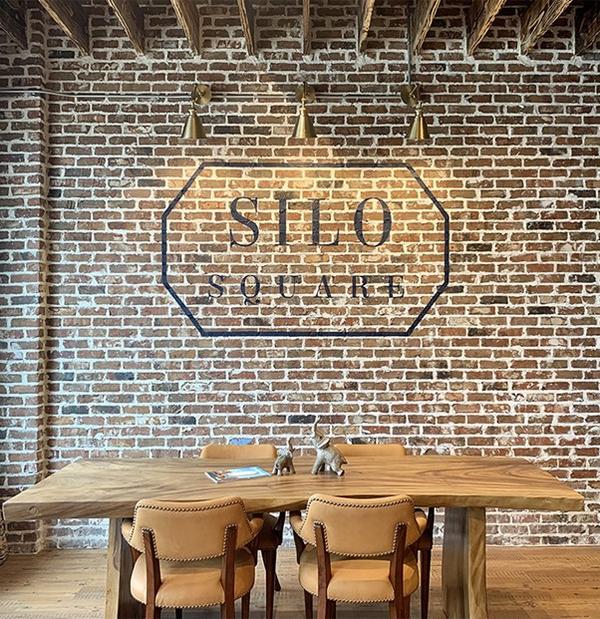
- A resurgence of exposed brick aesthetics, especially in urban and interior applications
- Growing popularity of handcrafted and variation-rich finishes
- Continued use of smoother contemporary brick, but often balanced with rougher complementary materials
- Ongoing conversation around painted brick, with stronger support for more natural finishes and alternatives such as limewash
- The overall direction is clear: imperfection and variation are now considered design assets.
Thin Brick and Design Flexibility
One of the most significant functional shifts is the expanding use of thin brick systems, which are being embraced for both new construction and renovation.
Benefits driving adoption include:
- Easier integration into mixed-material façades
- Greater flexibility in interior applications
- Lower structural constraints compared to full brick
- Ability to achieve layered, textured, or high-design effects in more locations
- Thin brick is also enabling more experimentation in commercial and residential environments, particularly where weight or installation flexibility matters.
Mixed-Material Architecture Continues to Dominate
Brick is increasingly being used as part of a broader architectural composition rather than a standalone material.
Common combinations include:
- Brick + metal for modern contrast
- Brick + wood for warmth and organic balance
- Brick + glass for contemporary transparency
- Layered façades that combine multiple textures and depths
- This trend reinforces brick’s evolving role as a design partner material rather than a singular visual identity.
Architectural Styles Driving Demand
Brick continues to show strong versatility across styles, but several directions are leading demand:
Most influential styles:
- Modern and contemporary architecture
- Mixed-use and urban infill development
- Transitional design
- Farmhouse and rustic-modern hybrids
- Historic restoration with updated material palettes
A notable trend is the overlap between styles—especially where modern forms are softened with traditional materials or textures.
Sustainability and Longevity as Core Priorities
Sustainability remains one of the most influential forces shaping brick selection in 2026.
Key priorities include:
- Long lifecycle and low maintenance requirements
- Energy efficiency and thermal performance benefits
- Increased emphasis on environmentally responsible material choices
- Preference for durable materials that reduce long-term environmental impact
- Growing interest in transparent sourcing and manufacturing practices
Brick continues to be positioned as a material that naturally aligns with long-term sustainability goals due to its durability and longevity.
Interior Brick and Experiential Design Growth
Brick is no longer confined to exterior façades.
Growing applications include:
- Interior feature walls
- Commercial hospitality environments
- Fireplace and focal-point installations
- Seamless indoor-outdoor transitions
- This expansion reflects a broader desire to use brick as an experiential material—one that adds texture, warmth, and identity inside spaces as well as outside.
High Contrast and Visual Impact Design
Another notable direction is the increased use of bold contrast in façade design.
This includes:
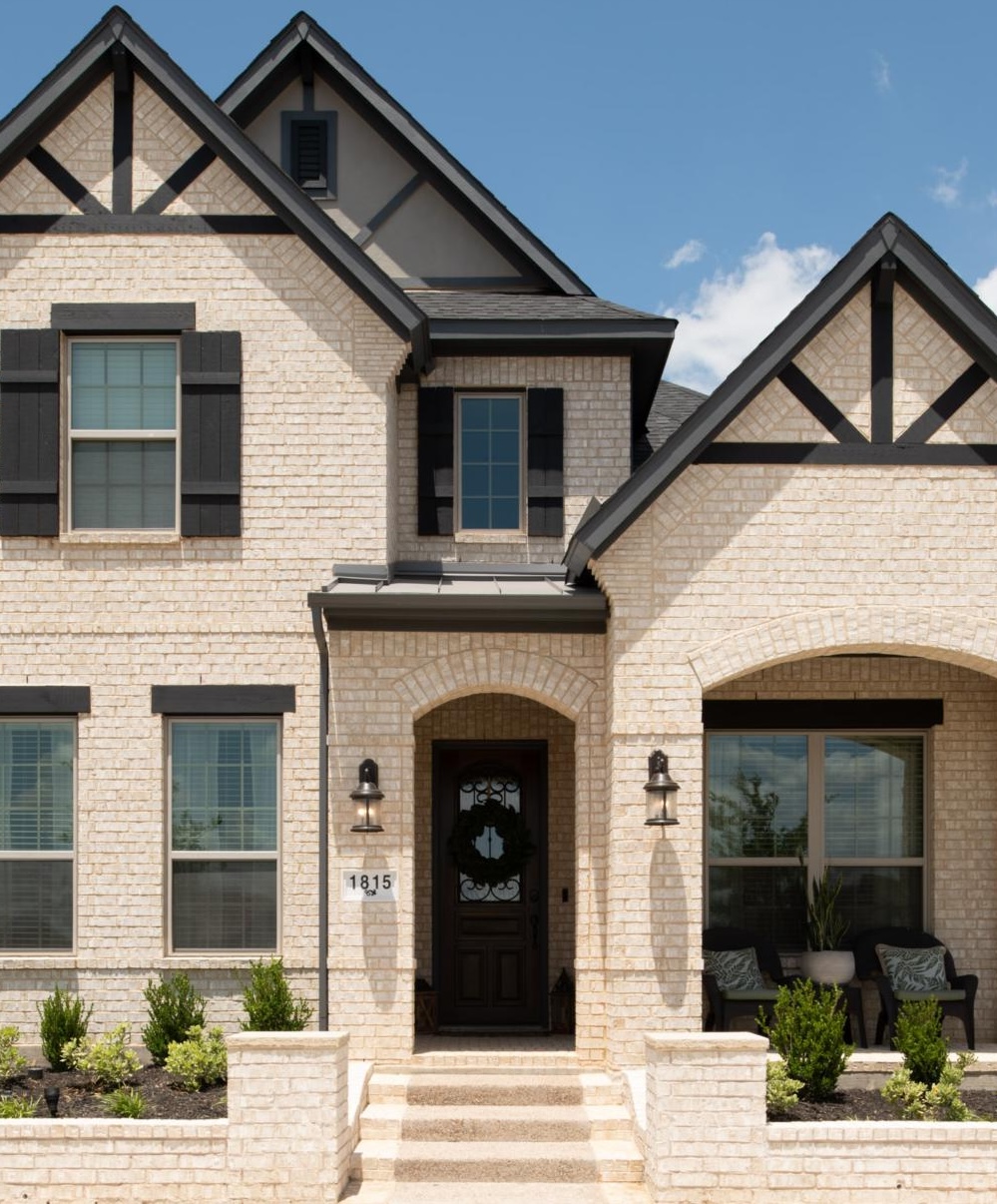
- Dark brick paired with light trim or metal accents
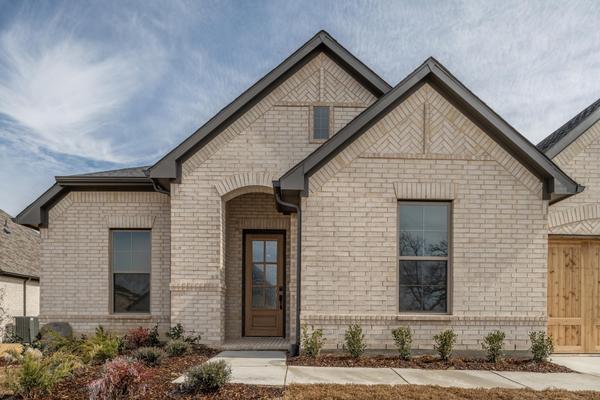
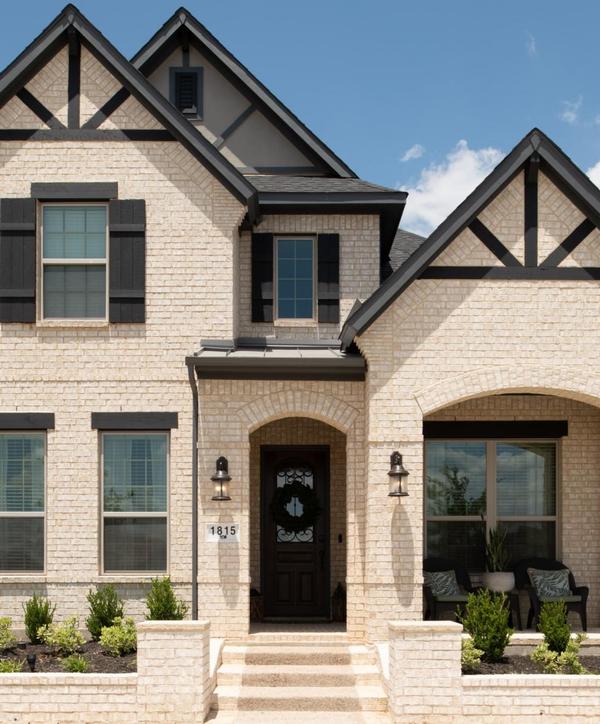
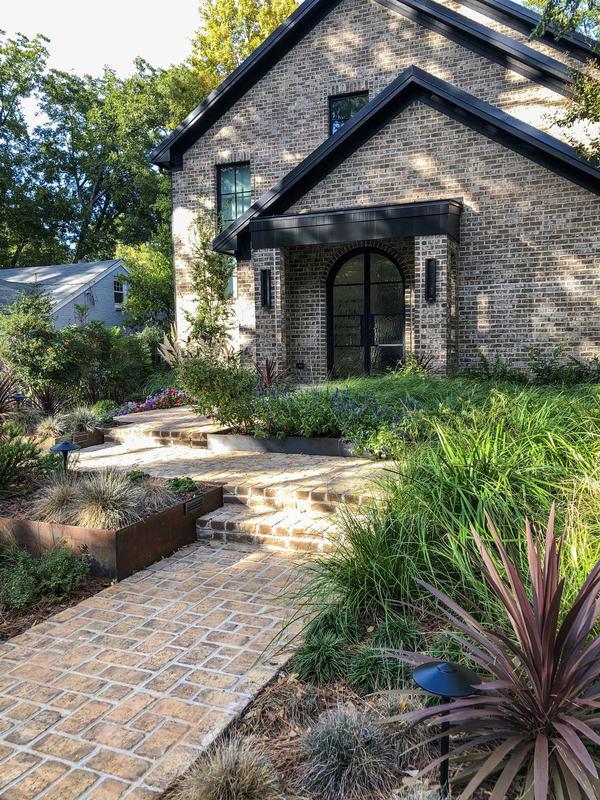
- White or cream brick contrasted against black framing elements
- Strategic use of accent bands or architectural breaks
- More intentional composition rather than uniform façades
- The goal is no longer subtle uniformity, but controlled visual impact.
Emerging Industry Direction: Brick as a System
One of the more forward-looking ideas emerging across industry discussion is the concept of brick evolving from a finish material into a broader design system.
This includes:
- Integration into full façade strategies
- Coordinated interior and exterior applications
- Use as part of performance-driven building envelopes
- Increased customization in size, finish, and installation methods
At the same time, there is acknowledgment that brick’s role is still evolving—balancing tradition with innovation as the market continues to redefine its use.
Final Takeaway
Brick in 2026 is defined by contrast and complexity rather than simplicity:
- Dark tones meet warm neutrals
- Smooth finishes meet heavily textured surfaces
- Traditional forms meet modern applications
- Exterior uses expand into interior experiences
- Standardization gives way to customization